
Hearing you might need a root canal can make many people feel a little nervous. The important thing to understand is that this procedure relieves pain and saves your natural tooth. It is a common type of restorative dental care that helps you get back to feeling like yourself.
You might need a root canal if you experience persistent tooth pain, lingering sensitivity to temperature, or notice changes in your gums or the colour of a tooth. These signs are your body’s way of telling you that it is time for a dental check-up.
Key Signs You Might Need a Root Canal
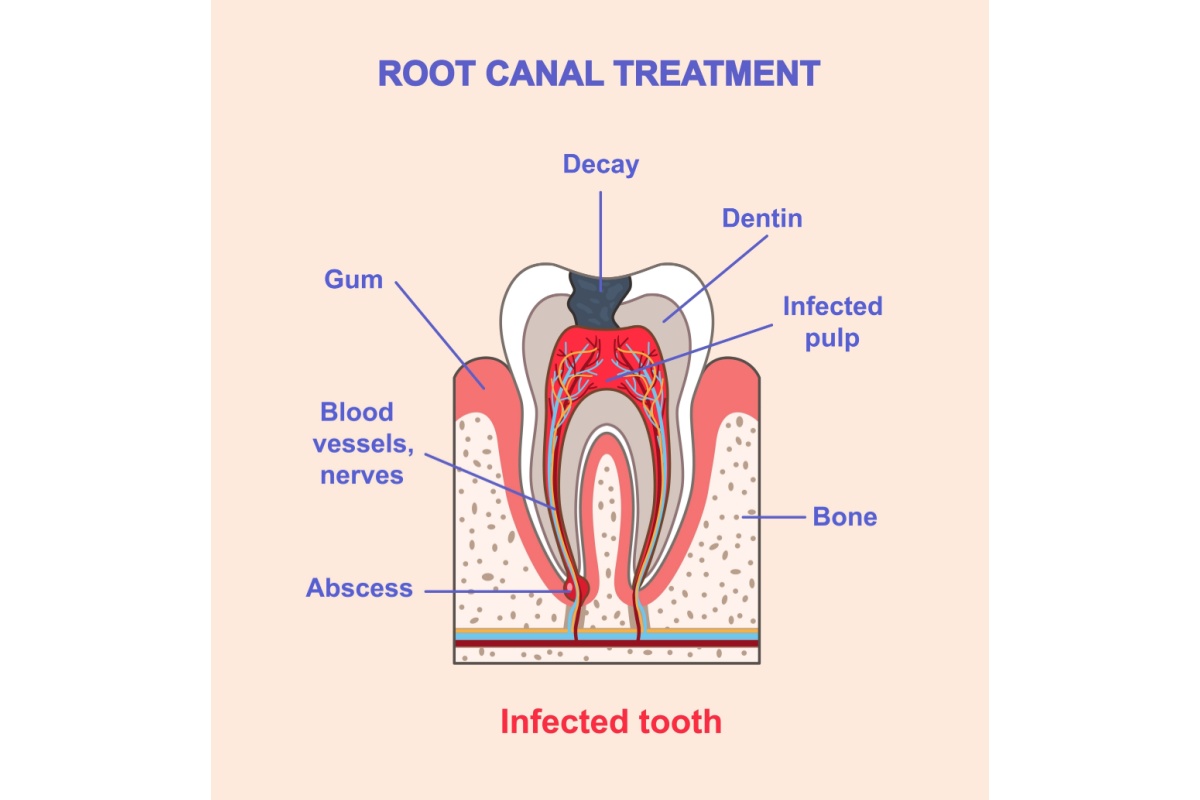
Your body often gives you clear clues when a tooth is in trouble. When you notice something is off, it could mean an infection is happening deep inside your tooth’s root. Paying attention to these signals is the first step:
Persistent Pain in Your Tooth or Jaw
A toothache that just will not go away is a primary signal that something is wrong. The pain might feel sharp one moment and like a dull ache the next, or it might throb constantly.
Watch for these symptoms:
- A deep, constant ache inside the tooth
- Pain that seems to spread into your jaw or face
- Discomfort that comes and goes but always returns
Lasting Sensitivity to Hot and Cold
It’s one thing if your teeth feel a quick twinge from a cold drink. It’s another if that sensitive feeling sticks around long after you have finished your meal. This lasting ache can point to an issue with the tooth’s nerve.
Changes in Your Gums and Tooth Colour
Sometimes you can see the problem right in the mirror. Visible changes in your mouth often point directly to the tooth that needs attention, such as:
- Swollen or tender gums near one specific tooth
- A small, pimple-like bump on your gums
- A tooth that has a grayish or discoloured look
- Pain when you touch the tooth or when you eat
How a Dentist Determines If You Need Treatment
The only way to know for certain if a root canal is the right step is to visit a dental professional. During a visit to your dentist, the team can carefully assess your symptoms and overall oral health.
First, you can talk about the symptoms you are experiencing. Then, your dentist can gently examine your teeth, gums, and the surrounding area. An X-ray is often used to get a clear picture of the tooth’s root, which helps determine whether an infection is present.
Tooth pain does not always mean you need a root canal. That’s why it is essential to get a proper diagnosis, since your discomfort could come from other sources. These can include a deep cavity, gum disease, or even a cracked filling.
The Root Canal Procedure Explained
If you do need a root canal treatment, the goal is to make you as comfortable as possible. The process itself is straightforward. It focuses on cleaning out the infection from the inner pulp to save your tooth for years to come.
The first step is to numb the tooth and the surrounding area thoroughly, so you don’t feel any pain during the procedure. Many people find the experience feels a lot like getting a regular filling placed.
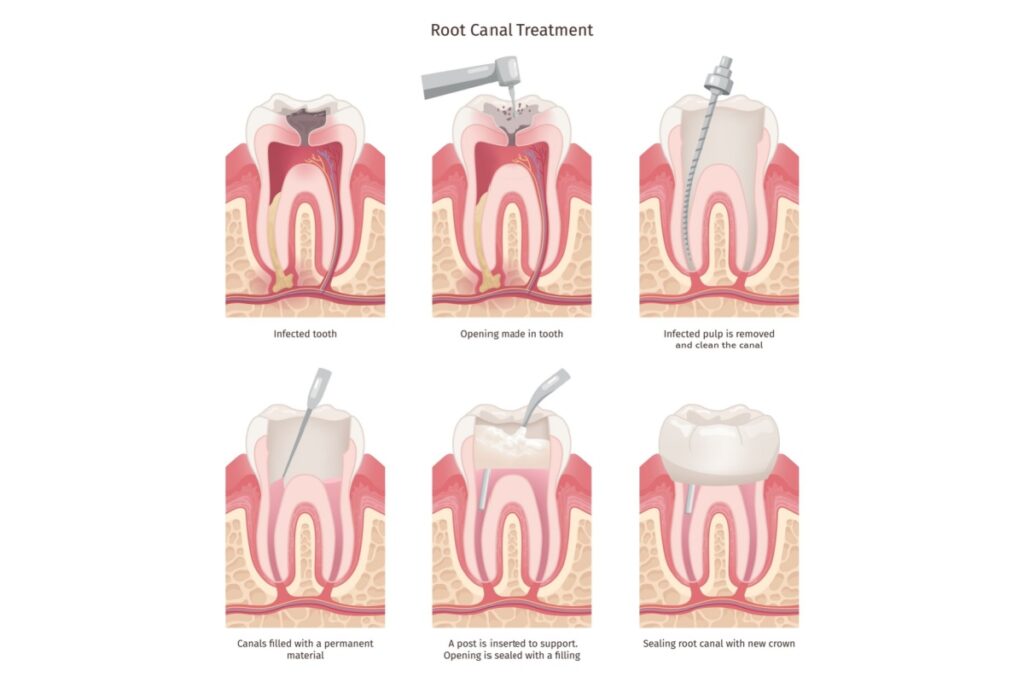
The treatment is generally completed in a few key steps to remove the source of pain and protect your tooth.
- Clean the Inside: The dentist removes the infected material from inside the tooth’s root.
- Fill the Space: The clean space is then filled with a special, safe material.
- Seal and Protect: Finally, the tooth is sealed to protect it from future problems, often with a crown on top to make it strong again.
After your treatment, your mouth may feel a little tender once the numbing wears off. This is a normal part of the healing process and usually fades after a few days.
A tooth that has had a root canal is not as strong as it once was. For this reason, a dental crown is often placed over the tooth to protect it from breaking.
Keep Your Smile Healthy for Life
Good oral hygiene is the foundation of a healthy smile. Regular check-ups and cleanings are a key part of any preventive dentistry plan, helping you address small problems before they become bigger ones.
You can support your oral health with a few simple, daily habits that make a big difference over time:
- Brush your teeth twice a day with fluoride toothpaste.
- Floss between your teeth at least once a day.
- Schedule regular visits for family dental care.
Tooth pain is a signal you should not ignore. By addressing the cause, you can save your natural tooth and protect your long-term oral health.
If you are experiencing any of these symptoms, the team at Greystone Dental can help you find a path back to a comfortable, healthy smile. Book your appointment today!