

Dental fillings can leave your teeth feeling sensitive when you drink cold water or bite down. After getting a cavity fixed, this discomfort might surprise you. Don’t worry, it’s perfectly normal and doesn’t mean something went wrong with your procedure.
Most tooth sensitivity after a filling lasts between 2 to 4 weeks, with the most intense discomfort occurring in the first 24 to 48 hours. Sensitivity gradually decreases as your tooth adjusts to the new filling material and the nerve inside recovers from the procedure.
What Causes Tooth Sensitivity After Dental Fillings?
Your tooth becomes sensitive after a filling because the procedure affects the nerve inside your tooth. A tooth includes layers of enamel, dentin, and pulp that protect the nerves, and they all react differently during healing. As your dentist removes decay from the tooth, drilling and cleaning can irritate the exposed nerve. Often, your tooth will feel tender when you bite down, as you’re putting a lot of pressure on your new filling.
Additionally, metal fillings may conduct heat and cold differently than your original tooth structure. Your tooth needs time to adapt to this change. You might notice this most when drinking hot coffee or eating ice cream.
How Long Can You Expect Sensitivity to Last?
The first 24 to 48 hours after your filling are generally when you’ll experience the most sensitivity, as this initial period is when the nerve inflammation peaks. Your tooth might react strongly to temperature changes, and you may be uncomfortable while eating or drinking.
Over the next 1 to 2 weeks, you should notice gradual improvement. The sharp, sudden pain starts to fade, and you can eat more comfortably. Your tooth may still feel sensitive, but the intensity decreases each day.
By 2 to 4 weeks, the sensitivity should resolve completely. Most people can eat and drink normally without discomfort during this period.
Factors That Affect Recovery Time
Large, deep cavities often cause longer-lasting sensitivity because more tooth structure was removed and the nerve was more affected. On the other hand, small surface fillings typically heal faster since less drilling is needed. Back teeth often take longer to stop feeling sensitive because you use them more for chewing.
Different filling materials could influence how long sensitivity lasts. For example, composite resin fillings sometimes cause more initial sensitivity than amalgam fillings when bonding is not done properly, but they should all eventually become comfortable.
Your individual pain tolerance also affects the level and duration of discomfort you experience.
Types of Tooth Sensitivity
People may react differently to fillings and experience varying levels and kinds of sensitivity depending on what happened during the procedure.
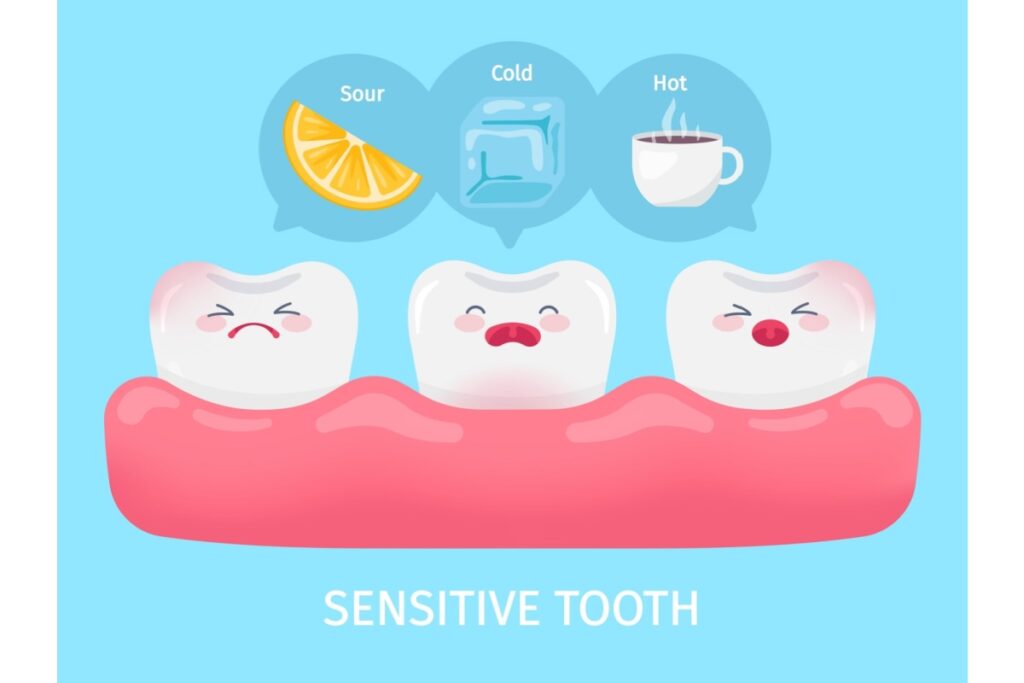
Cold temperature sensitivity is the most common type you’ll notice after a filling. Your tooth might ache when you drink cold water, eat ice cream, or even breathe in cold air. This happens because cold temperatures reach the irritated nerve more easily.
Hot foods and drinks can also trigger discomfort, though this is less common than cold sensitivity. Sweet or acidic foods may cause a sharp, sudden pain, but it should quickly fade after you swallow.
Pressure sensitivity makes chewing uncomfortable, especially when you bite down directly on the filled tooth.
Ways to Manage Post-Filling Sensitivity At Home
Desensitizing toothpaste can reduce nerve irritation when used regularly. Look for toothpaste containing potassium nitrate, potassium citrate, or stannous fluoride, and use it twice daily. You should start noticing improvement within a few days of consistent use. Use circular strokes with gentle pressure to prevent additional irritation.
Avoid extremely hot or cold foods and drinks while healing. Room-temperature or lukewarm items are preferable. Citrus fruits, juices, and pop contain acids that can increase sensitivity, while candy and sugary snacks can cause sudden, sharp pain.
When eating, chew on the opposite side of your mouth to give the filled tooth time to recover without additional pressure. Over-the-counter pain medication can help you manage discomfort when sensitivity becomes bothersome.
When to Contact Your Dentist
Most people settle into their new fillings with no trouble, but that’s not always the case. Sudden tooth sensitivity can have various causes, so contact your dental team if your sensitivity lasts longer than 4 weeks without improvement. This timeframe goes beyond normal healing and might indicate that the filling needs adjustment.
Some signs to watch for after your filling include:
- Pain that gets worse instead of better.
- Throbbing or constant pain differs from normal sensitivity and might mean the nerve is more severely affected.
- If your bite feels uneven or high when you close your mouth, the filling might need to be adjusted.
- Swelling around the tooth or gums indicates possible infection
- TMJ dysfunction can sometimes cause tooth pain, but requires separate treatment.
Don’t wait if you notice these warning signs, as early intervention can prevent more serious problems.
Your Dentist Is Here for You
Sensitivity after a dental filling is normal, but persistent pain is not.
If you’re experiencing tooth sensitivity after a recent filling or need family dental care in Chilliwack, our team at Greystone Dental can evaluate your symptoms and get you feeling right again.
Contact us to schedule an appointment and get the care you need for lasting oral health.