
You reach for your toothbrush twice a day, but when did you last think about replacing it? That familiar tool sitting by your sink might be doing less cleaning than you think.
You should replace your toothbrush every 3 to 4 months, or sooner if the bristles become frayed, after illness, or when you notice changes in cleaning effectiveness. Regular replacement helps maintain good oral health and keeps your smile bright.
When to Replace Your Toothbrush
Your toothbrush works hard every day, and like any tool, it wears out over time. The 3 to 4 month guideline gives you a solid timeframe, but certain situations call for immediate replacement.
After recovering from a cold, flu, or mouth infection, toss that toothbrush right away. Bacteria and viruses can linger on the bristles, potentially causing reinfection. You don’t want to give those germs a second chance.
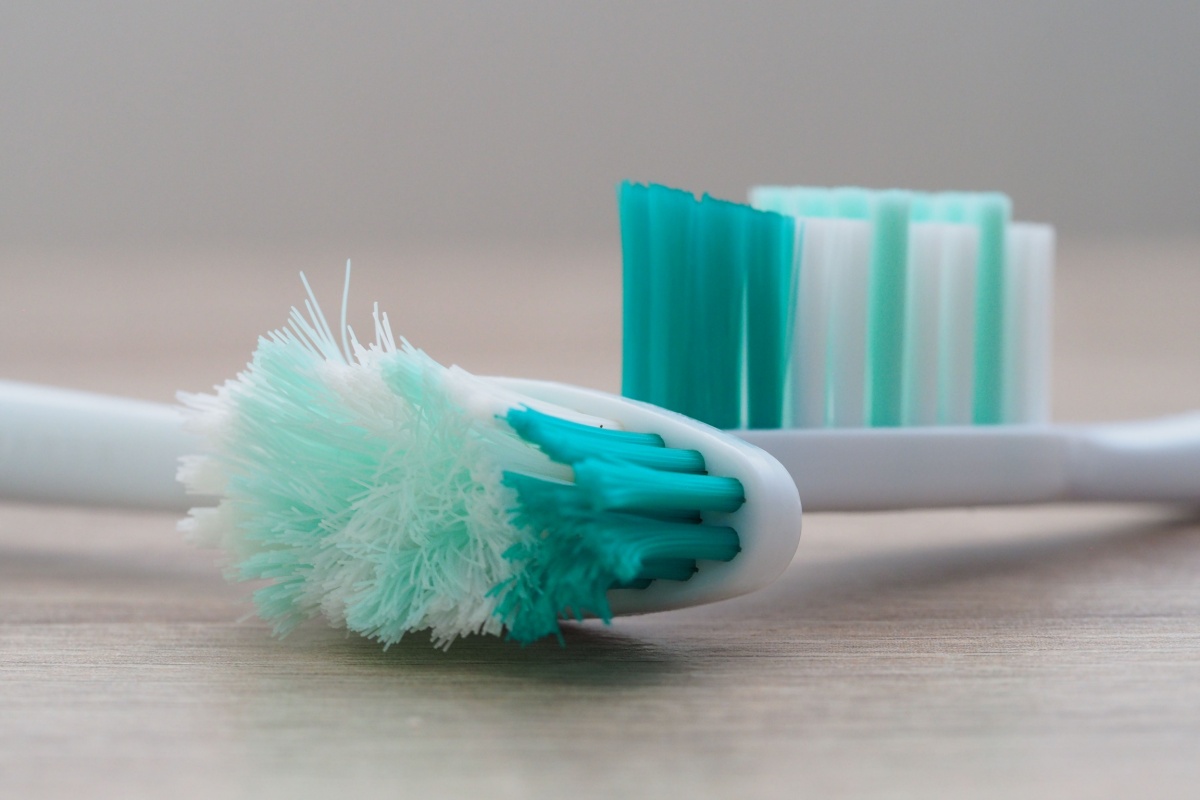
Watch for physical changes too. When bristles become frayed, bent, or start losing their colour, your toothbrush has reached the end of its useful life. An unusual odour from the brush also signals it’s time for a fresh start. Proper brushing and flossing techniques work only when your tools are in good condition.
Signs Your Toothbrush Needs Replacement
Visual Indicators
Your eyes can tell you a lot about your toothbrush’s condition. Healthy bristles stand straight up, ready to tackle plaque and food particles. When they start spreading outward like a flower opening, they’ve lost their cleaning power.
Look for worn or flattened bristle tips, discolouration, and visible buildup of toothpaste or debris. These signs mean the brush can’t reach into the small spaces between your teeth where problems start. Dental plaque buildup becomes a serious concern when cleaning tools aren’t effective.
Performance Changes
Your mouth gives you feedback about brushing effectiveness. If your teeth don’t feel as clean after your usual routine, your toothbrush might be the culprit. You shouldn’t need to press harder or scrub longer to get that fresh, clean feeling.
A worn toothbrush often feels rough against your gums and becomes less effective at removing plaque. When you notice these changes, it’s time to shop for a replacement.
Why Regular Toothbrush Replacement Matters
Worn bristles can’t bend and flex to reach the curved surfaces of your teeth and the spaces along your gum line. This means plaque builds up in areas your old brush simply can’t access anymore.
Old toothbrushes also become breeding grounds for bacteria. Even with thorough rinsing, microscopic organisms can multiply in the bristles over time. Damaged bristles can irritate your gums, making brushing uncomfortable and potentially causing inflammation. Gum bleeding during oral care can signal that your cleaning tools or technique need attention.
Special Circumstances for Toothbrush Changes
After Illness
Replace your toothbrush immediately after recovering from any oral infection, cold, flu, or strep throat. This simple step prevents reinfection and stops harmful bacteria from spreading in your mouth. Think of it as part of your recovery process.
For Children
Children often brush with more enthusiasm than technique, wearing out their toothbrushes faster. Check kids’ toothbrushes monthly for signs of wear, and replace them immediately if your child has been chewing on the bristles.
Teaching children about toothbrush care helps them develop good oral health habits that last a lifetime. Make replacement a fun family activity by letting them choose their new brush colour or design. Teaching children about toothbrush care, including when to replace it, helps them develop good oral health habits that last a lifetime.
Electric Toothbrush Heads
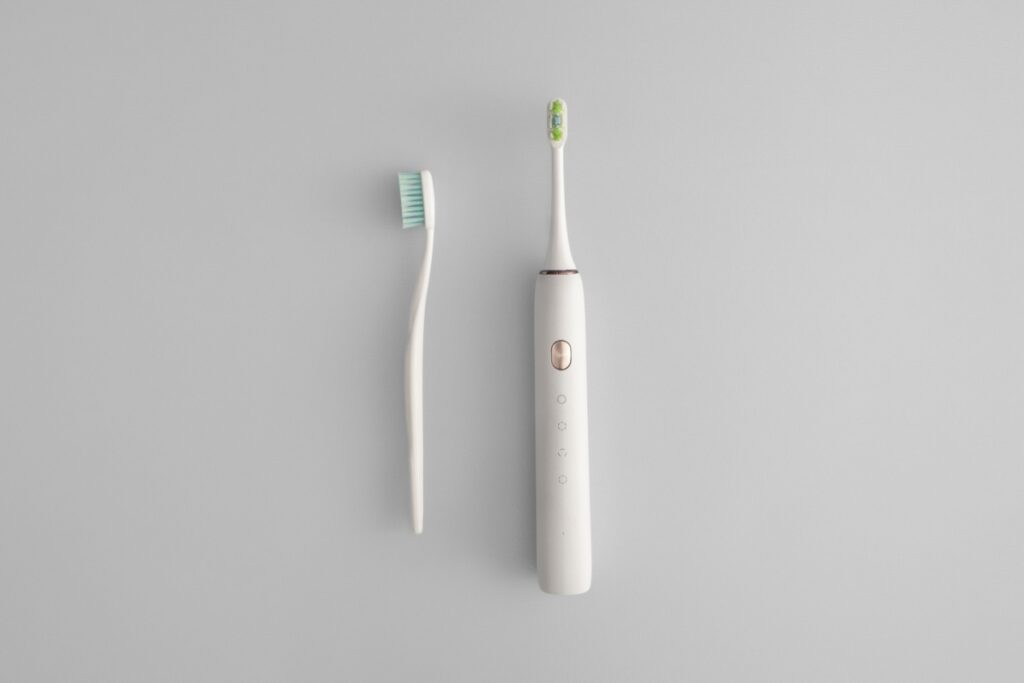
Electric toothbrush heads typically need replacement every 2 to 3 months. Many feature indicator bristles that fade when replacement time arrives, taking the guesswork out of the process.
Follow your manufacturer’s recommendations, as different models have varying replacement schedules. The investment in regular head replacement pays off in cleaning effectiveness. Electric and manual toothbrushes both require regular replacement for optimal performance.
How to Make Your Toothbrush Last Longer & Choose the Right Replacement
Proper care extends your toothbrush’s life and keeps it working effectively. Rinse thoroughly with water after each use, store it upright in a well-ventilated area, and allow it to air dry completely between uses. Avoid sharing toothbrushes and use gentle pressure when brushing.
When choosing a replacement, soft bristles work for most people and protect your gums from damage. The brush head should fit comfortably in your mouth, allowing you to reach all areas of your teeth easily. Professional guidance on brushing techniques can help you get the most from your new toothbrush.
Get Personalized Oral Care Guidance
Choosing the right toothbrush is just one piece of maintaining excellent oral health. At Greystone Dental in Chilliwack, we help patients select the best tools for their specific needs, whether that’s a soft-bristled manual brush, an electric toothbrush, or specialized options for braces or sensitive gums. We’ll also review your brushing technique to make sure you’re getting the most out of your daily routine.
During your next preventive care visit, we can answer any questions about toothbrush replacement, proper storage, and other oral hygiene practices that keep your smile healthy.
Schedule your appointment today and let our team help you build a dental care routine that works for you and your family.